|
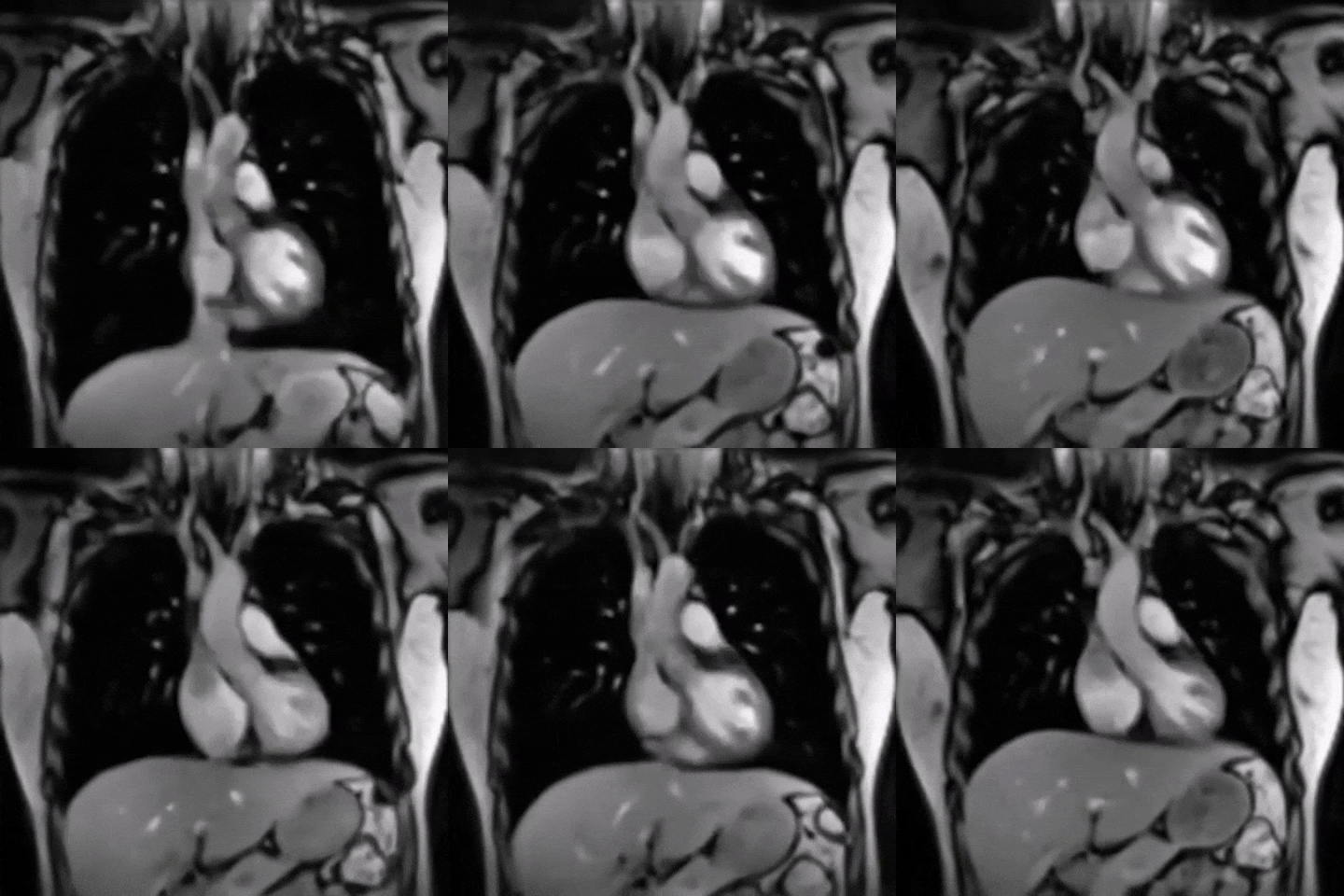
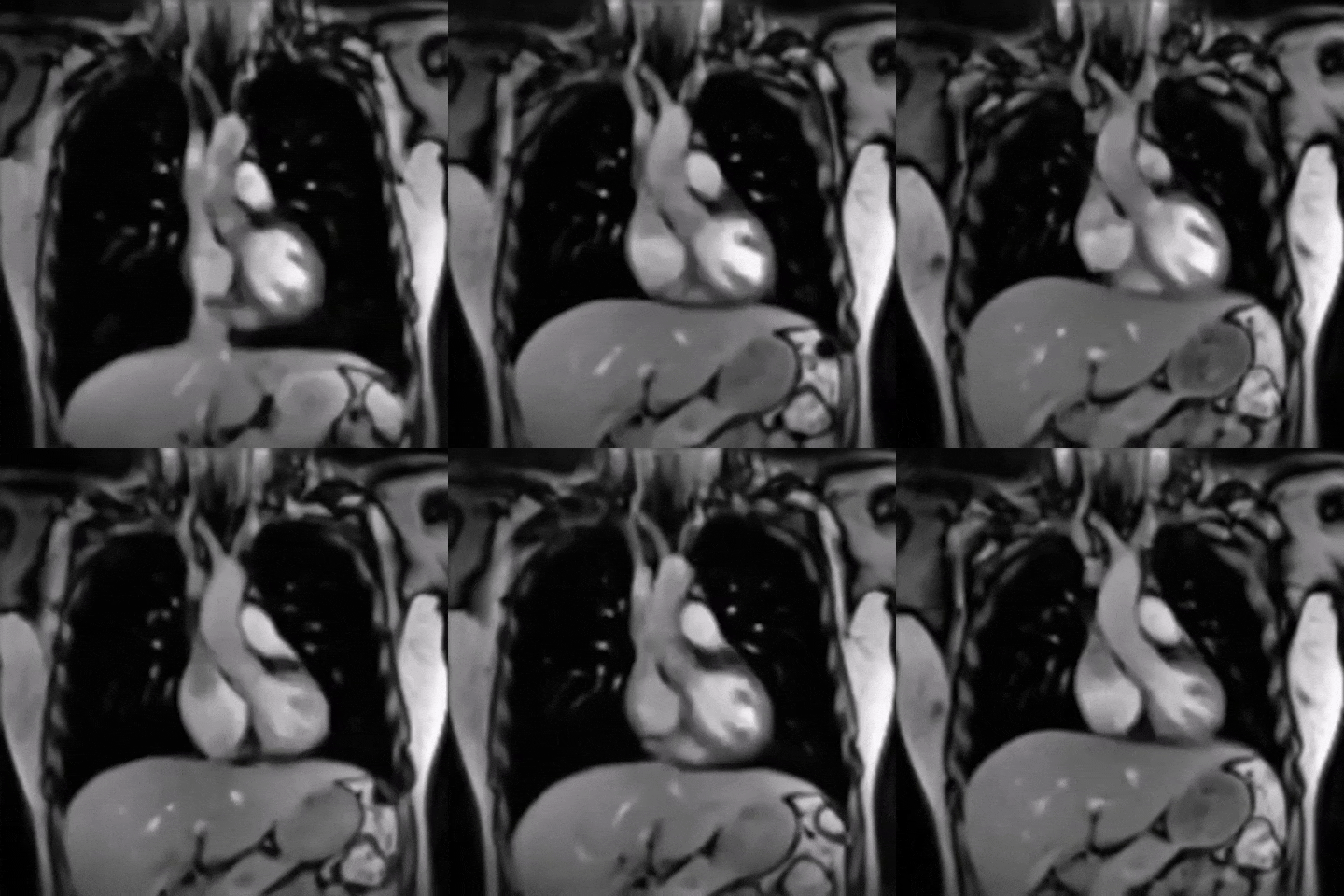
“You're obsessed with this breathing thing.” It was 6:00 AM, and I was training my client Jesse over Zoom. We were right in the middle of a side neck stretch. He stopped, looked right at the camera, and dropped that line on me. At first, I was completely taken aback. The room was dead quiet, and all I could hear was the humming of my computer fan. I felt that realization hit my whole body like a physical shock. But then I smiled. I realized what he was saying was completely true. I'm obsessed with it because it is my North Star. It's the missing piece to true behavior change. Once I started adapting the breath and changing mechanics, everything shifted. I learned about the diaphragm, the lymphatic system, and the autonomic nervous system. I started going a lot deeper into the science of oxygen and carbon dioxide. And the deeper I went, the more I recognized something crucial. I finally understood why changing your breathing mechanics is so incredibly hard. Out of all the thousands of people I've trained in my life, only one stands out. I have just one client who's close to making functional breathing their default… Just one. The odds are heavily stacked against us. Let's look at why. First, your breath is ingrained in you for survival. Three minutes without oxygen, and you die. Your body will always find a way to breathe because the alternative is death. It doesn't care if you use your upper chest, your traps, your neck, or your throat. The body is just trying to get oxygen into the system. When your diaphragm isn't used, that body throttle in the center of your core experiences muscle atrophy. Think of a broken arm inside a cast. For a lot of us, our diaphragm has atrophied. Second, you need a neuromuscular connection. You must have a mind-muscle connection to activate that specific muscle. Think about flexing your calf or pulling with your back.
Motor mechanics are a huge part of activating the diaphragm. The third barrier is synergistic dominance. Overactive muscles take over the movement to compensate for the lazy diaphragm. Your body is conditioned to breathe with your upper chest and neck. So, the diaphragm doesn't feel like it needs to do its job. The reason I'm sharing this with you is because changing this pattern requires extreme intention. We have to be purposeful in our conviction to use that diaphragm. We have to keep our mouths closed and pin the tongue to the roof of the mouth. We have to make these habitual changes to improve the physical function of our breathing. Those old neural nets are deeply ingrained in your autonomic nervous system. To change them, you're going to have to be aware and present. It's going to be uncomfortable… Your brain and body will want to default back to chest breathing because it feels familiar and comfortable. Nobody wants to think about their breath all day long. But pushing through this discomfort is how you master your Neuro-breath. It's how you take control of your stress and your health. This is exactly how you stop the exhausting cycle of a high-performer and upgrade your Internal Operating System. Rats, I know building this habit feels tough. But once you recognize, or know what I know. You'll see that everything is at stake. Everything.
PS: I have a Functional Breathing Checklist that I use with all my clients. I'll share that with you next week. PPS: By the way, Jesse has officially lost over 30 pounds with less time in the gym. So, there must be something to this breathing stuff 😉 |